A strategy that doesn’t reach the front line
What you’re experiencing
The plan is clear at the top, blurry on the ground.
The answer
Connect each objective to the teams and processes that carry it.
See how everything connects, and solve complex problems at the source. For the whole organization, or one project at a time.
Situations leadership teams face, at the scale of a single project or the whole organization.
What you’re experiencing
The plan is clear at the top, blurry on the ground.
The answer
Connect each objective to the teams and processes that carry it.
What you’re experiencing
Two cultures, two ways of working, synergies to deliver.
The answer
Decide what to unite, what to preserve and what to transform.
What you’re experiencing
Projects pile up, the experience barely changes.
The answer
Invest where it really matters.
What you’re experiencing
Each team optimizes its own part; the customer lives the gaps.
The answer
Make journeys and shared responsibilities visible.
What you’re experiencing
Initiatives everywhere, with no big picture.
The answer
Place AI within the organization before choosing the tools.
What you’re experiencing
The company has changed, but not its structure or its brand.
The answer
Realign identity, organization and offering.
What you’re experiencing
It touches several teams and no one sees the whole picture.
The answer
Design the service and the organization that delivers it, together.
A project, a team or the whole organization: tell us about your challenge.
Finance talks costs, IT talks systems, marketing talks customers, operations talks deadlines. Everyone sees clearly, but no one sees the whole.
The solution: a shared language, simple and visual, understood from the boardroom to the front line. That’s what EDGY brings →
The Tower of Babel
Meetings go in circles: everyone uses their own words.
The ivory tower
Decisions are made far from the people who apply them.
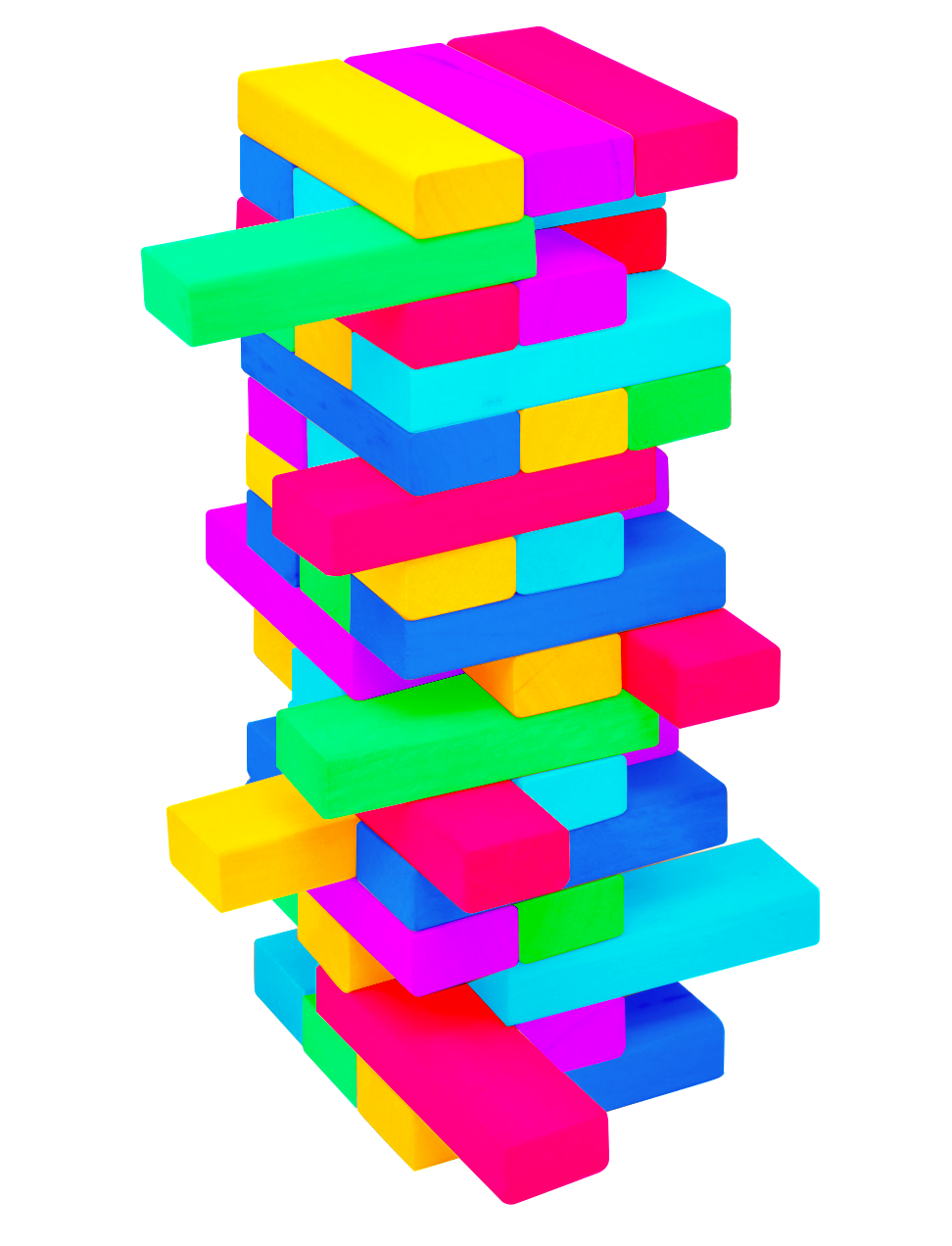
The Jenga tower
Pull out one piece, and three others move without warning.
Enterprise Design applies the design approach to the organization itself, whether it’s a project, a team or the whole company.
Starting or realigning a project calls for several choices:
Enterprise Design sheds light on these decisions and connects them into a coherent whole that can evolve over time.
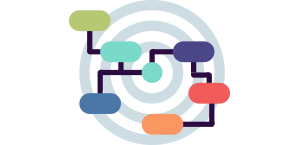


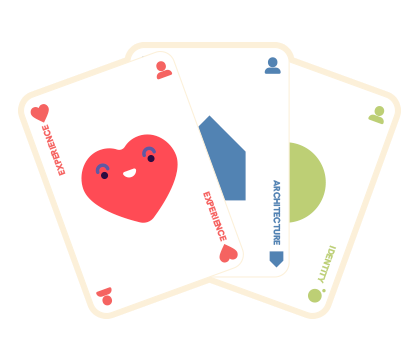
One of the tools of Enterprise Design: an open visual language to map an organization, a team or a project on a single canvas.
 Identity: purpose, values, culture
 Architecture: capabilities, processes, resources
 Experience: customer and employee journeys
A common vocabulary, from the boardroom to the front line.
For your leadership team, four concrete effects.
See the impact of a choice before committing to it.
One map, one language.
Blind spots surface early.

Every direction is connected to the people who deliver it.
Every organization is unique. Our approach, in three steps:


Above all: with you, not for you.
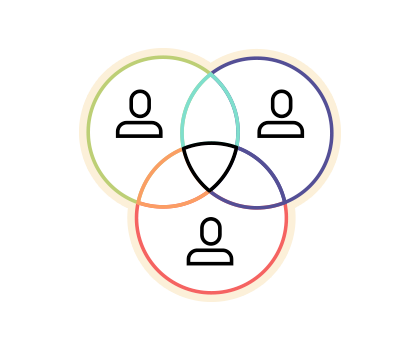
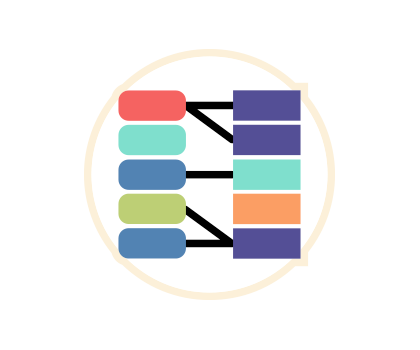
Template La Partie prenante (PDF) Template The Boardroom Adventure (PDF) Miro templates and instructions
What we are asked most often about the discipline, about &friends and about Intersection, the global Enterprise Design conference.
Enterprise Design applies the design approach to the organization itself: its identity, its architecture (capabilities, processes, resources) and the experience of its customers and employees. Instead of optimizing each part in its silo, it looks at how everything connects, to solve complex problems at the source. It works for a project, a team or the whole company. Enterprise Design in brief.
Design thinking is a method: understand, imagine, prototype, test. Service design applies it to one service or customer journey. Enterprise Design applies it to the whole organization, connecting strategy, structure, processes and experience on a single map. The three complement each other, and we practice all of them. See our services.
EDGY is an open visual language for mapping an organization on a single canvas, around three facets: identity, architecture and experience. It gives the boardroom, IT, marketing and operations one shared vocabulary. EDGY is published by the Enterprise Design Association, of which &friends is a partner. EDGY, a shared language.
When a strategy never reaches the front line, during a merger or acquisition, when a transformation runs out of steam, when silos get expensive, when AI arrives in the organization, during growth or repositioning, or when launching a service that touches several teams. Sound familiar?
Yes. The common mistake is choosing tools before knowing where AI fits in the organization. Enterprise Design first situates AI in the processes, roles and experience, then we build small, useful tools with your teams. Our approach to AI and design engineering (in French).
No. We start where the challenge is: a one-off workshop, support for a project or a team, or an organization-wide effort. Our approach has three steps: spark the right conversations, map with EDGY to clarify, then build on solid ground. Always with you, not for you. Three ways in.
Because we have practiced the discipline in the field since our first workshops in 2016, we are a partner of the Enterprise Design Association, we teach EDGY trainings, and we have designed tools used well beyond our own projects: the game The Boardroom Adventure, its French original La Partie prenante, and Miro templates. In October 2026 we hosted Intersection 26, the global Enterprise Design conference, in Montreal. Our story.
Two colleagues who became friends, a designer and a strategist: Éric Letarte and Jean-Sébastien Daigle. First collaboration in 2012, first workshops in 2016, incorporation of Conseil &friends inc. in 2023, in Montreal. Depending on the project, we bring in trusted allies in digital, facilitation and AI engineering. About us.
Among others Aliments du Québec, Quebec Tech, Capitale numérique, the Musée de la civilisation Sépaq, the Palais des congrès de Montréal, CSSDGS, Worximity and the Association des libraires du Québec. And we produced Intersection 26 in Montréal. Our case studies show the approach, from framing to implementation.
Intersection is the global Enterprise Design conference. Every year it brings together practitioners, researchers and leaders around one question: how to design coherent organizations. Its 12th edition, Intersection 26, took place in Montreal in October 2026, a first in North America, hosted by &friends. Our Intersection 26 case study.
We hosted the event in Montreal: three days, 37 speakers. We also made it our testing ground, putting AI to work on the whole organization, from budget to badges, with a single database and a dozen small apps. Intersection 26, our testing ground (in French).
Yes. We share, unfiltered, what worked and what didn’t, in a one-hour talk or a one-day workshop, and we translate those lessons to your context. Let’s talk.

